
 Solitaire Rings
 Halo Rings
 Bezel Rings
 Three Stone Rings
 Five Stone Rings
 Bridal Set Rings
 Solitaire Accent Rings
 Toi Moi Rings
 Curved Rings
 Semi Mount Rings
 Custom Rings
 Color Diamond Rings
 Lab Gemstone Rings
 Men's Rings
 Round
 Pear
 Oval
 Princess
 Asscher
 Marquise
 Emerald
 Cushion
 Radiant
 Heart
 Old Cuts
 OEC
 OMC
 OMM
 Tennis Bracelet
 Fashion Bracelet
 Pendant
 Necklace
 Men's Jewelry
 Eternity Bands
 Dainty Bands
 Custom Bands
 Men’s Bands
 Studs
 Hoops
 Jackets
 Dangle
 Bridal
 Pink
 Champagne
 Yellow
 Blue
 Black
 Green
 Olive
 Emerald
 Ruby
 Sapphire
 Other Gemstone
 Old Cut Jewelry
 Antique Diamond Jewelry
 Kids Collection
 Celebrity Jewelry
 Round
 Princess
 Asscher
 Cushion
 Radiant
 Emerald
 Heart
 Pear
 Oval
 Marquise
 Matching Pair
 Old Cut
 Antique Cut
 Rose Cut
 Step Cut
 Portuguese Cut
 Portrait Cut
 Champagne
 Pink
 Yellow
 Blue
 Other
 Emerald
 Ruby
 Sapphire
 IGI-GIA Certified
 8X Diamond
 Ready Stocks
 Ready In Stock
 OEC Round
 Old Mine Cushion
 Old Mine Asscher
 Old Mine Emerald
 Old Mine Moval
 Old Mine Pear
 Bands
 Earrings
 Bracelets
 Necklace
 Anniversary Gift
 Birthday Gift
 Gift For Her
 Gift For Him
 Under 300$
 Under 500$
 Gift Card
 Check Balance
 REVIEW
 +1 (551) 274-2892
 contact@ourosjewels.com
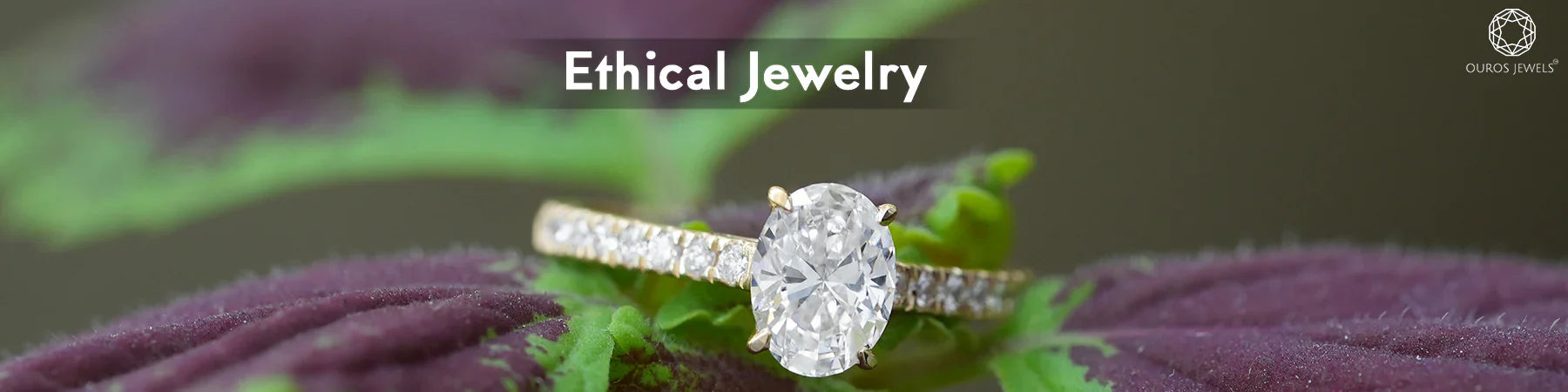
Why Ethical Jewellery Benefits Society and the Environment
Summarize this post with AI

Ethical jewellery is becoming an important consideration for people who want beautiful jewellery while making more informed choices about sourcing, production and environmental impact. From engagement rings and wedding bands to diamond earrings and pendants, ethical jewellery offers a way to celebrate meaningful occasions while considering the people and resources involved in making each piece.
This guide explores what ethical jewellery means, how it differs from sustainable jewellery, how it is made, and what to look for when choosing ethical diamond jewellery in the UK.
The quality and appearance of ethical jewellery depend on the materials, craftsmanship and design. Lab grown diamonds, recycled precious metals and responsibly managed manufacturing processes can all form part of a more considered approach to jewellery production.
Jewellery has long been a symbol of love, commitment and personal expression. Whether you are choosing an engagement ring for your partner, wedding bands for your marriage or a diamond pendant for a special occasion, understanding how a piece is made can help you make a more informed decision.
Traditional jewellery supply chains can involve challenges such as limited traceability, unsafe working conditions, unfair pay and environmental damage. However, practices vary between suppliers, and responsible sourcing standards can help buyers assess the origins and production of jewellery.
Let’s explore the key considerations when choosing ethical jewellery and how to evaluate the claims made by jewellery brands.
What Is Ethical Jewellery?

Ethical jewellery refers to jewellery made and sourced with consideration for human rights, workers welfare, responsible material sourcing and environmental impact. It places importance on understanding where the materials come from and how they are processed, manufactured and supplied to customers.
When assessing ethical jewellery, consider three important factors:
- Material sourcing: Find out where the diamonds, gemstones and precious metals originate and whether their supply chains can be traced.
- Recycled materials and energy use: Check whether recycled metals or renewable energy are used in production, where applicable.
- Working conditions: Look for information about workers’ safety, fair treatment, wages and compliance with relevant labour standards.
Using recycled gold or renewable energy can contribute to more responsible production, but neither automatically proves that a piece of jewellery is ethical. A more complete assessment considers sourcing, manufacturing, working conditions, resource consumption and supply chain transparency.
Ethical jewellery aims to reduce the risk of harmful practices while supporting fairer working conditions and more responsible use of natural resources. Traceability can help buyers understand the journey of a piece, although the level of information available depends on the supplier and the materials used.
In some traditional jewellery supply chains, buyers may find it difficult to establish the precise origin of a diamond or metal. Responsible sourcing policies, credible documentation and transparent supplier information can help address this challenge.
Ethical vs Sustainable Jewellery
Ethical and sustainable jewellery are closely related, but the terms do not mean exactly the same thing.
Ethical jewellery focuses primarily on the people and practices involved in sourcing and manufacturing. This includes workers rights, fair treatment, safe working conditions, responsible sourcing and efforts to avoid materials associated with conflict or illegal activity.

Sustainable jewellery focuses more broadly on environmental impact and the use of resources throughout a product life cycle. This can include recycled metals, energy consumption, waste reduction, packaging and the environmental effects of extracting or producing materials.
The two approaches often overlap. For example, a lab grown diamond ring made with recycled gold may incorporate sustainability focused materials, while transparent sourcing and responsible labour practices address additional ethical considerations.
However, a lab grown diamond or recycled metal does not automatically make an entire piece of jewellery ethical or sustainable. The wider manufacturing process and supporting evidence also matter.
Why Is Ethical Jewellery Important for Society and the Environment?
Ethical jewellery matters because the production of jewellery can affect both people and the natural environment. Mining, metal refining, gemstone processing and manufacturing may involve energy use, water consumption, waste generation and risks to workers, depending on the materials and methods involved.

Choosing jewellery from suppliers with transparent sourcing policies can help buyers make more informed decisions about these impacts.
Environmental considerations
Responsible jewellery production may involve:
- Using recycled gold or other precious metals to reduce demand for newly mined materials.
- Considering the energy and water used during manufacturing.
- Improving waste management and reducing unnecessary packaging.
- Assessing the environmental impacts associated with diamond and gemstone production.
- Using renewable energy where available and supported by evidence.
These measures can help reduce particular environmental impacts, although the results depend on the production methods and supply chain. Claims such as “eco friendly” or “low carbon” should be supported by relevant evidence rather than assumed from a material alone.
Social considerations
Ethical sourcing also involves the people who mine, process, cut, polish and manufacture jewellery. Responsible businesses should consider workplace safety, fair treatment, appropriate pay and respect for workers’ rights.
For customers in the UK, transparent information about suppliers, sourcing policies and certifications can make it easier to compare jewellery brands and understand what their ethical claims actually cover.
Ethical jewellery is therefore relevant for engagements, weddings, anniversaries and other occasions when buyers want their purchase to reflect their personal values as well as their style preferences.
How Is Ethical Jewellery Made?
Ethical jewellery can be made using a range of materials and production methods. These may include lab grown diamonds, recycled precious metals and manufacturing processes designed to manage environmental impact and protect workers.
The exact approach varies between jewellers, so it is important to check what a particular brand can substantiate.

Lab Grown Diamonds
Lab grown diamonds are created in controlled environments using technologies such as Chemical Vapour Deposition (CVD) or High Pressure High Temperature (HPHT). They have essentially the same chemical composition and crystal structure as mined diamonds, although individual stones can differ in their characteristics and quality.
Lab grown diamonds are often considered by shoppers seeking an alternative to mined diamonds. However, their environmental impact depends on factors such as the electricity source, production efficiency and manufacturing location. They should not automatically be described as impact free or universally more sustainable without supporting evidence.
For customers exploring lab grown diamond jewellery in the UK, it is useful to compare the diamond specifications, available grading reports and the supplier’s information about production and sourcing.
Renewable Energy and Manufacturing
Some jewellery manufacturers use solar or other renewable energy to power parts of their operations. This can reduce reliance on fossil fuel generated electricity, depending on the energy mix and production process.
However, renewable energy use should be verified before it is presented as a feature of a specific piece of jewellery or brand.
Recycled and Refined Gold
Recycled gold is recovered from existing jewellery, manufacturing waste or other previously used gold bearing materials and refined for reuse. When properly refined, gold can retain its essential material properties, making it suitable for new jewellery designs.
Using recycled gold can reduce the need for newly mined gold, although the overall environmental benefit depends on the source of the material, refining process and wider supply chain.
Gold jewellery is available in different purities, including 9 carat, 14 carat and 18 carat gold, as well as different colours such as yellow, white and rose gold. Platinum is another option for buyers comparing precious metal settings.
How to Identify Ethical Jewellery
Choosing ethical jewellery involves looking beyond the appearance of a diamond or the description on a product page. The following checks can help you assess a jeweller’s claims.
1. Check Material Origins and Traceability
Look for information about the origin of the diamond, gemstone and precious metal. Ask whether the supplier can provide documentation or explain the relevant parts of the supply chain.
Traceability varies by material and supplier, so avoid assuming that every ethical jewellery product has complete mine to customer documentation.
2. Ask About Recycled Metals
If a product is described as being made with recycled or refined gold, check whether the jeweller explains the claim and can provide supporting information.
Recycled gold can be used in many designs without changing the essential properties of the gold itself, provided it is appropriately refined and manufactured.
3. Review Diamond Grading and Certification
Diamond grading reports can provide information about characteristics such as carat weight, colour, clarity and cut. Reports from recognised gemmological laboratories, including IGI or GIA where applicable, can help buyers understand the stone’s assessed characteristics.
A diamond grading report does not, by itself, certify that a piece of jewellery is ethically sourced or environmentally sustainable. These are separate claims that require appropriate evidence.
4. Look for Transparent Business Practices
Review the jeweller’s information about material sourcing, manufacturing, labour standards, product specifications and returns. If an environmental or ethical claim is important to you, ask what evidence supports it.
Ouros Jewels offers lab grown diamond jewellery and provides product information for shoppers exploring different designs. Before purchasing, review the details available for the individual product, including the diamond grading information, metal specifications and applicable policies.
Which Types of Ethical Jewellery Are Available?
Ethically focused jewellery is available in many styles for different occasions and personal preferences. Popular options include engagement rings, wedding bands, earrings, pendants and bracelets.
The suitability of each piece depends on its materials, construction, sourcing and the evidence supporting any ethical claims.
Ethical Diamond Engagement Rings

An ethical diamond engagement ring can combine a meaningful design with considered choices about diamonds and precious metals. Popular styles include halo, vintage inspired, three stone, solitaire and Toi et Moi rings.
Lab grown diamonds are available in a wide range of carat weights and shapes, allowing buyers to compare options according to their budget and preferred design. Popular shapes include round, oval, emerald, radiant, cushion, pear, heart and princess cuts.
The best diamond shape depends on the ring design, the desired appearance and personal preference. For example, a round or oval centre stone can create a classic look, while a pear shaped or heart shaped diamond offers a more distinctive outline.
Buyers considering a ring in 18 carat gold should compare the total price, diamond specifications, setting, craftsmanship and any certification included. Prices vary by design and stone, so check the current product listing rather than relying on a general estimate.
If you are looking for a personalized design, Ouros Jewels offers options to explore custom lab grown diamond jewellery. Confirm the available diamond shapes, metals and customisation choices for your selected design.
Ethical Diamond Earrings

Diamond earrings are versatile pieces that can be worn every day or for special occasions. When choosing ethically focused diamond earrings, consider the diamond source, precious metal specifications and the manufacturer’s information about production practices.
Options may include 9 carat, 14 carat or 18 carat gold in yellow, white or rose tones, as well as platinum where available. The right choice depends on your preferred appearance, budget and design.
Popular styles include:
- Stud earrings: A simple, versatile choice for everyday wear or special occasions.
- Hoop earrings: Available in understated and statement designs.
- Drop earrings: Hang below the earlobe to create a more elongated appearance.
- Dangle earrings: Offer movement and a more decorative look.
Diamond quality can be assessed using the 4Cs: cut, colour, clarity and carat weight. These characteristics help buyers compare stones, but they do not independently establish a product’s ethical credentials.
Ethical Diamond Bracelet Jewellery

Diamond bracelets, including tennis bracelets, are popular choices for anniversaries, celebrations and gifts. Their appearance depends on the diamond arrangement, setting style, metal and overall design.
Ethically focused options may use lab grown diamonds and recycled precious metals, depending on the jeweller’s specifications. Buyers should check whether recycled materials or renewable energy are confirmed features of the particular product.
Diamond bracelets are available in different metals, including gold, silver and platinum, subject to the design. When comparing options, consider the bracelet length, fastening, diamond carat weight, colour, clarity and setting security.
The price of a lab grown diamond tennis bracelet depends on the combined diamond weight, stone quality, metal type, design and craftsmanship. Any example prices should be checked against current product listings, as costs can change and different bracelets may not be directly comparable.
Lab Grown Diamond Pendant Jewellery

Diamond pendants offer a versatile way to wear fine jewellery, either on their own or as part of a layered necklace. Designs may include solitaire pendants, halos, teardrops, lockets, symbolic motifs and other decorative styles.
A lab grown diamond pendant may be an option for buyers looking for diamond jewellery with a different sourcing route from mined diamonds. Its ethical and environmental credentials still depend on the materials and manufacturing practices used.
When choosing a pendant, compare the diamond shape, carat weight, metal purity, chain specifications and setting. Gold options may include yellow, white and rose gold, while some designs may be available in platinum.
Prices depend on the stone, metal, design and craftsmanship. Check the individual product listing for current pricing and available specifications before making a purchase.
Conclusion
Ethical jewellery offers buyers an opportunity to consider more than appearance when choosing a meaningful piece. Material sourcing, workers’ welfare, supply chain transparency and environmental impact can all influence how responsibly a piece of jewellery is produced.
Lab grown diamonds, recycled gold and renewable energy may form part of a more considered approach to jewellery manufacturing. However, no single material or production method automatically guarantees that a product is completely ethical or sustainable. The strongest decisions are based on clear product information and claims supported by evidence.
Whether you are choosing an engagement ring, wedding band, diamond earrings, bracelet or pendant, review the diamond grading details, precious metal specifications, sourcing information and relevant policies before purchasing. These checks can help you select jewellery that reflects both your personal style and your values.
Frequently Asked Questions
1. Is ethical jewellery real and authentic?
Yes. Ethical jewellery can be made with genuine diamonds, lab grown diamonds, gold, silver, platinum and other materials. Whether a piece is ethically sourced is a separate question from whether its materials are genuine. Check the product specifications and relevant documentation to understand what you are buying.
2. What is the price of ethical jewellery in the UK?
The price depends on the jewellery type, diamond quality, carat weight, metal, design and craftsmanship. Lab grown diamond jewellery is available across a range of budgets, but prices vary considerably between products. Check the current listing and confirm whether the price is shown in pounds sterling (£), including any applicable delivery charges, taxes or other fees.
3. Do ethical diamonds have the 4Cs?
Yes. Lab grown diamonds can be assessed using the same four principal diamond quality characteristics: cut, colour, clarity and carat weight. These help buyers compare diamond quality and appearance. The 4Cs do not, however, confirm whether a diamond or finished piece of jewellery meets ethical or sustainability standards.
4. Is ethical jewellery eco friendly?
Ethical jewellery may incorporate practices intended to reduce environmental impact, such as using recycled precious metals or renewable energy. The actual impact depends on sourcing, production methods, energy use and other factors. It is best to look for specific, substantiated claims rather than assuming that all ethical jewellery is impact free.
5. Is ethical jewellery durable and long lasting?
Ethical jewellery can be just as durable as comparable jewellery made with the same materials and craftsmanship. Longevity depends on the metal, diamond or gemstone, setting design, construction and care. Regular cleaning, appropriate storage and professional checks of settings can help maintain a piece over time.